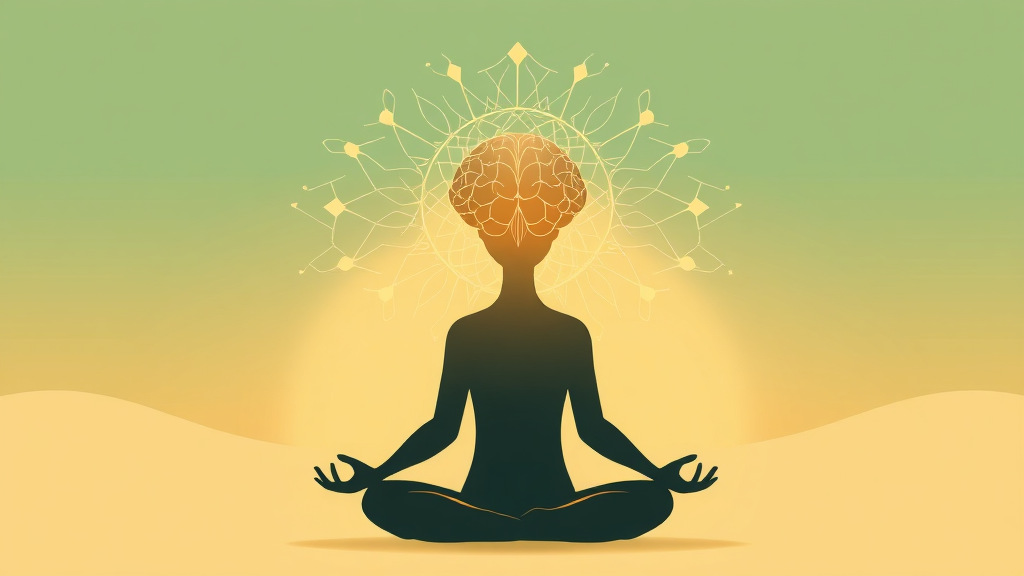
The Transformative Power of Mindset in Chronic Pain Management
Living with chronic pain can feel like an endless battle—one that affects not just your body, but your mind, emotions, and entire quality of life. Yet, emerging research reveals something remarkable: your mindset holds extraordinary power over how you experience and manage pain.
While physical treatments address the body, your thoughts, beliefs, and mental patterns create the lens through which you perceive and respond to pain. Understanding and transforming these patterns isn't just helpful—it can be life-changing.
Why Your Mindset Matters More Than You Think
Chronic pain isn't just a physical sensation—it's a complex experience shaped by your nervous system, past experiences, emotions, and expectations. When you're caught in cycles of negative thinking, your brain actually amplifies pain signals, creating a self-reinforcing loop that makes everything worse.
The Mind-Body Pain Connection
Your brain doesn't just receive pain signals—it actively interprets and sometimes even creates them. Here's what happens:
Negative Thoughts Amplify Pain
When you think "This pain will never end" or "I'm helpless," your brain releases stress hormones like cortisol. These chemicals increase inflammation and sensitize your nervous system, making pain signals stronger and more persistent.
Fear Creates Tension
Fear of movement, fear of pain worsening, or fear of never healing causes your muscles to tense protectively. This tension creates additional pain, validates your fears, and keeps you trapped in a vicious cycle of avoidance and suffering.
Positive Mindset Triggers Healing
Conversely, optimism and positive expectations activate your body's natural pain-relief systems. Your brain releases endorphins and dopamine—powerful chemicals that reduce pain perception and promote healing. Hope isn't just emotional; it's physiological.
The Hidden Patterns That Keep You Stuck
Most people living with chronic pain develop unconscious mental and behavioral patterns that, while intended to protect them, actually perpetuate suffering:
Catastrophizing
"This pain means something is seriously wrong. It's only going to get worse. I'll never be able to live normally again." These thoughts magnify pain and create overwhelming anxiety.
Victim Mentality
"Why did this happen to me? I'm powerless. Nothing I do makes a difference." This mindset strips away your sense of control and agency, making you passive in your own healing journey.
All-or-Nothing Thinking
"If I can't do everything I used to do, then I'm completely broken. If one treatment doesn't cure me, nothing will work." This rigid thinking prevents you from appreciating progress and finding creative solutions.
Pain-Focused Identity
"I am a chronic pain sufferer. Pain defines my life." When pain becomes your identity, your unconscious mind works to maintain that identity, making change incredibly difficult.
These patterns aren't your fault—they're normal responses to prolonged suffering. But recognizing them is the first step toward transformation.
Enter Neurolinguistic Programming: Rewiring Your Brain for Relief
While traditional therapy can take months or years to create change, Neurolinguistic Programming (NLP) offers a faster, more direct path to transforming the mental patterns that fuel chronic pain.
NLP is a scientifically-grounded approach that uses specific language patterns and mental techniques to access and reprogram your unconscious mind—the part of you that runs automatic behaviors, emotional responses, and yes, pain patterns.
How NLP Works for Chronic Pain
NLP recognizes that chronic pain isn't just a physical problem—it's maintained by habitual thought patterns, emotional associations, and unconscious beliefs. By using targeted techniques, NLP helps you:
- ✓Break negative thought loops that amplify pain signals and create unnecessary suffering
- ✓Release limiting beliefs about your body, your healing capacity, and your future possibilities
- ✓Reprogram unconscious responses to pain triggers, replacing fear and tension with calm and control
- ✓Change how your brain perceives pain by altering the mental images, sounds, and feelings associated with discomfort
- ✓Install empowering new patterns that support healing, resilience, and a pain-free identity
NLP as a Catalyst for Breaking Habitual Patterns
One of NLP's greatest strengths is its ability to interrupt and transform deeply ingrained habits—the repetitive thoughts and behaviors that keep you stuck in pain cycles.
Consider how automatic your responses to pain have become. You feel a twinge, and instantly your mind races: "Here it comes again. This is going to ruin my day. I need to stop everything and rest." Your body tenses. Stress hormones flood your system. The pain intensifies. The pattern reinforces itself.
NLP works at the unconscious level—where these automatic patterns live—to interrupt and replace them with healthier responses. Instead of pain triggering fear and tension, you can train your nervous system to respond with calm, relaxation, and constructive action.
Specific NLP Techniques That Transform Pain Patterns
Pattern Interrupts
Deliberately disrupting automatic pain responses, creating space for new, more helpful reactions to emerge.
Reframing
Changing the meaning you assign to pain sensations, transforming them from threatening enemies into neutral information or even teachers guiding you toward healing.
Anchoring
Installing instant access to states of calm, comfort, and confidence that you can trigger whenever pain threatens to overwhelm you.
Submodality Shifts
Changing how your brain represents pain—its size, intensity, color, temperature—to dramatically reduce its impact on your experience.
Timeline Therapy
Releasing past traumas and negative emotions that may be unconsciously contributing to present pain, while installing a positive, pain-free future identity.
The Science Behind NLP and Pain Relief
While some dismiss mind-body approaches as "just positive thinking," neuroscience has validated what NLP practitioners have known for decades: your brain is remarkably plastic, capable of rewiring itself in response to mental practice and focused attention.
Research shows that:
- →Mental imagery activates the same brain regions as actual physical experiences, allowing you to "rehearse" pain-free movement and comfort
- →Language patterns can directly influence autonomic nervous system responses, including pain perception and stress levels
- →Changing thought patterns measurably alters brain structure and function, a phenomenon called neuroplasticity
- →Expectation and belief powerfully modulate pain through both placebo and nocebo effects—your beliefs literally change your biology
NLP leverages these neurological realities to create rapid, lasting change in how you experience and respond to pain.
Real Change, Remarkably Fast
One of the most compelling aspects of NLP is its efficiency. While traditional talk therapy often requires months of sessions to see results, NLP techniques can produce noticeable shifts in minutes to hours.
This isn't magic—it's the result of working directly with your unconscious mind using its own language: images, sensations, and associations. By speaking to your brain in the terms it understands best, NLP bypasses resistance and creates change at the source.
Many people report experiencing profound shifts after just a single focused NLP session—changes that persist and compound over time as new neural pathways strengthen and old pain patterns fade.
The question isn't whether your mind can influence your pain—science has proven it can. The question is: Are you ready to harness that power?
Cultivating a Pain-Relief Mindset: Practical Steps
While professional NLP can accelerate transformation, you can begin shifting your mindset today:
1. Notice Your Pain Narrative
Pay attention to the story you tell yourself about your pain. Is it catastrophic? Hopeless? Begin challenging these narratives with more balanced, empowering perspectives.
2. Practice Gentle Reframing
Instead of "I'm broken," try "My body is sending me signals." Instead of "This will never end," try "I'm learning to manage this, one day at a time."
3. Visualize Comfort and Ease
Spend 5-10 minutes daily imagining yourself moving freely, comfortably, joyfully. Your brain will begin creating the neural pathways to make this vision reality.
4. Separate Pain from Suffering
Pain is a physical sensation. Suffering is the emotional response to it. You may not always control the pain, but you can reduce the suffering through mindfulness and acceptance.
5. Celebrate Small Victories
Every moment of reduced pain, every activity you accomplish, every positive choice you make deserves recognition. Progress reinforces positive patterns.
Your Mind Is Your Most Powerful Ally
Living with chronic pain is undeniably challenging. But you are not powerless. Your mind—properly trained and supported—can become your greatest asset in the journey toward relief and healing.
NLP offers a proven, science-backed pathway to break free from the mental patterns that amplify suffering and install new patterns that support comfort, resilience, and hope.
The transformation begins the moment you recognize that you have agency over your inner experience—that your thoughts, beliefs, and mental habits aren't fixed, but flexible and changeable.
Ready to Experience the Transformative Power of NLP for Yourself?
Discover scientifically-designed audio sessions that use advanced NLP techniques to reprogram unconscious pain patterns, break limiting beliefs, and install empowering new mindsets—all while you simply listen.
Explore Mind-Rewiring NLP Audio SessionsFast, effective, and backed by science. Your mind holds the key to your freedom from pain.
"The greatest discovery of my generation is that human beings can alter their lives by altering their attitudes of mind." — William James, Father of American Psychology